Where the City Ends,the Land Begins.
Somewhere between the last stretch of Mumbai and the first green fold of the Sahyadris, the pace of life begins to change.
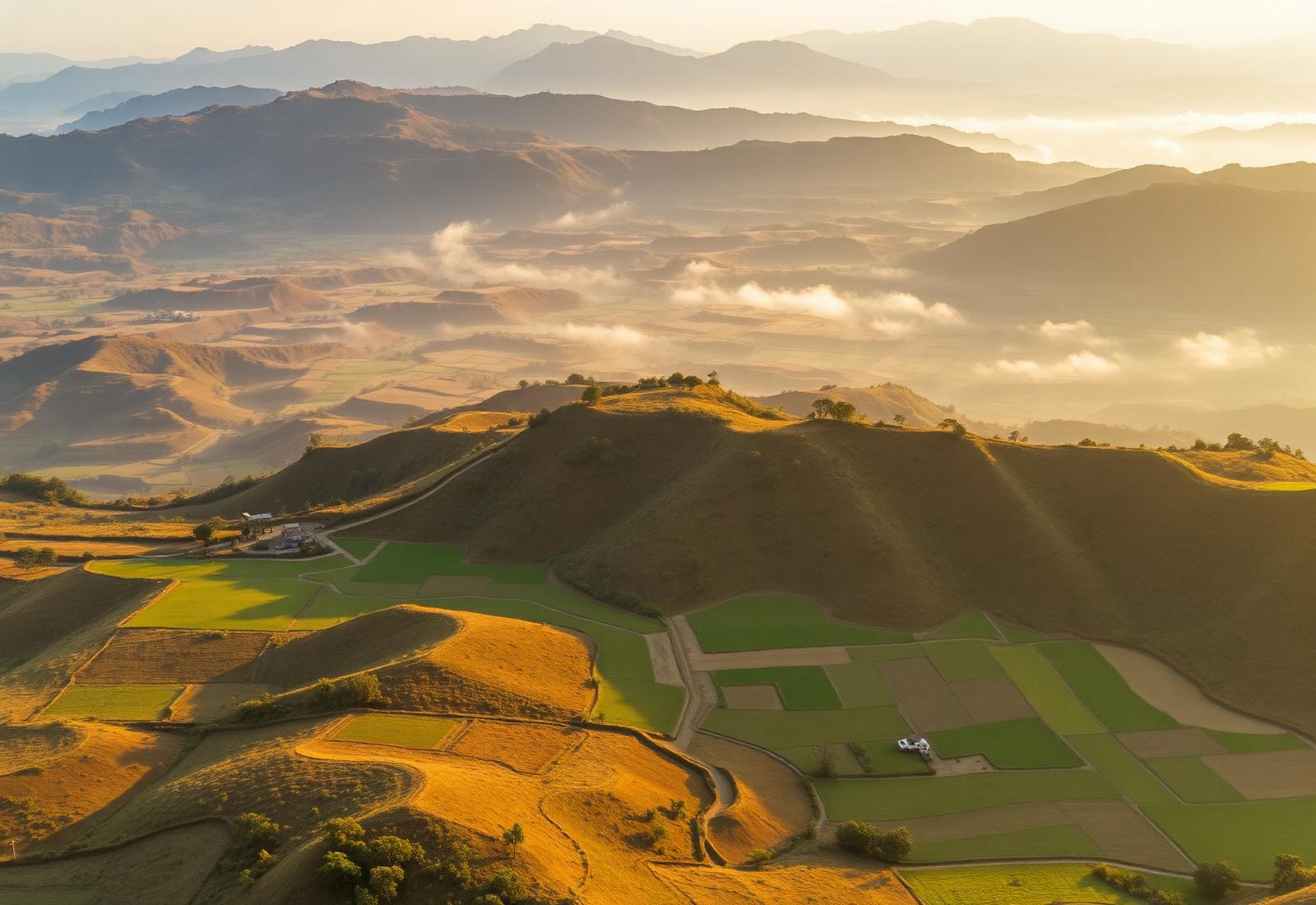
You notice it first in the sound. The expressway hum thins out, and what replaces it is not silence exactly but a wider, slower kind of noise — wind through cane, water finding its way downhill, a bird you cannot name. The city does not end at a signboard. It ends somewhere inside you, roughly twenty minutes after the last flyover.
Karjat has always been a threshold. For a century it was where the railway paused before the ghats, where trains gathered strength for the climb. Today it is where a certain kind of attention returns. People arrive planning to look at land and end up looking at hills instead.
The Land
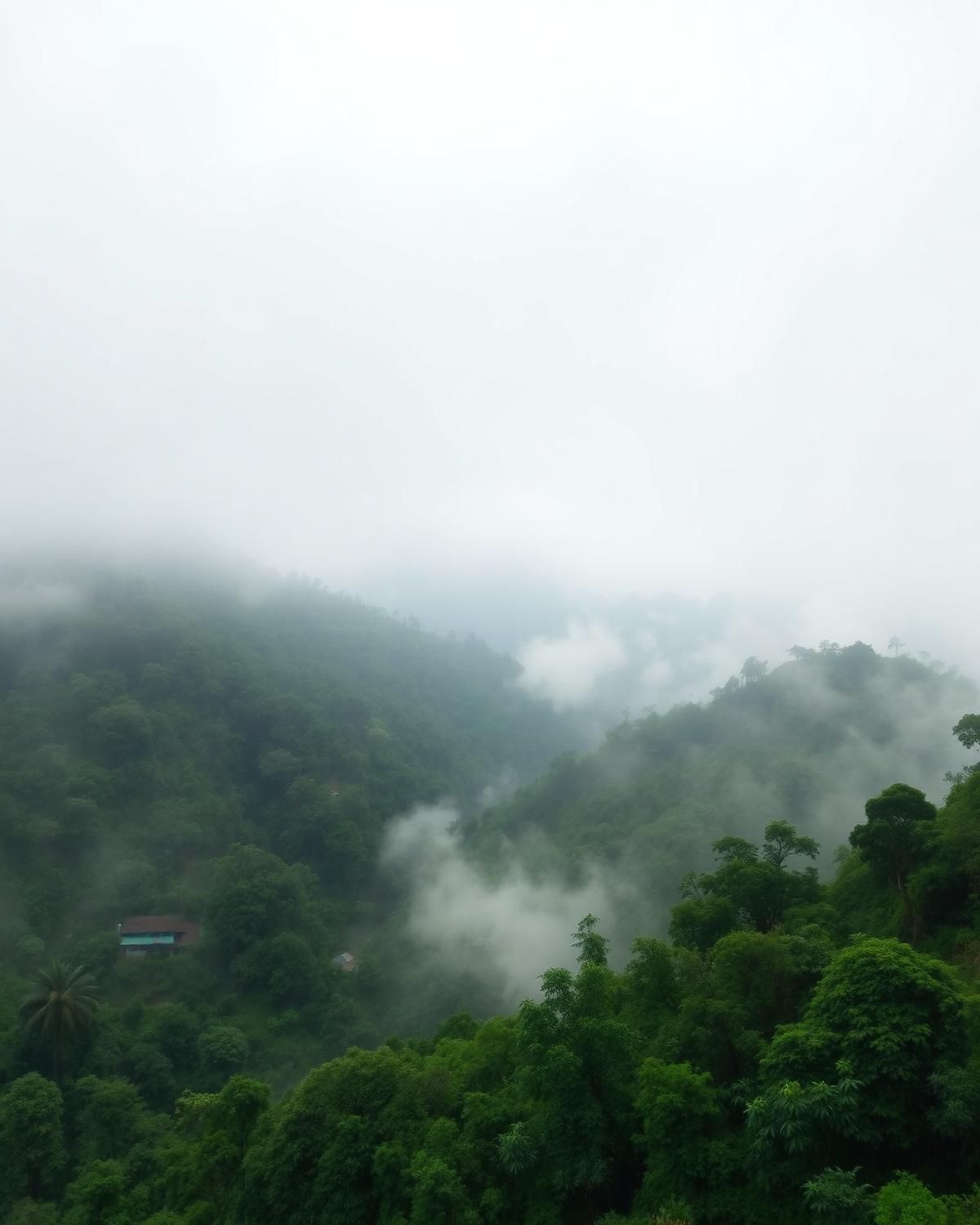
Land here is not flat and anonymous. It tilts, it drains, it holds water in some corners and lets it go in others. Every parcel has a temperament. Walk a plot at seven in the morning and again at five in the evening and you will meet two different pieces of ground.

Reading the ground
The old farmers here read soil the way others read weather — colour, smell, the way it breaks in the hand. Dark and crumbly means years of returning what was taken. Pale and tight means the land has been asked for too much and given too little. Sawai's parcels sit on the generous side of that line, on soil that has been resting.
Topsoil after the first week of rain.
“Land is not simply something you own. It is something you return to.”
That distinction matters more than any brochure figure. A plot that goes unvisited becomes an entry on a statement. A plot you return to becomes a habit, then a season, then a place your children describe to other people as theirs.
What Changes
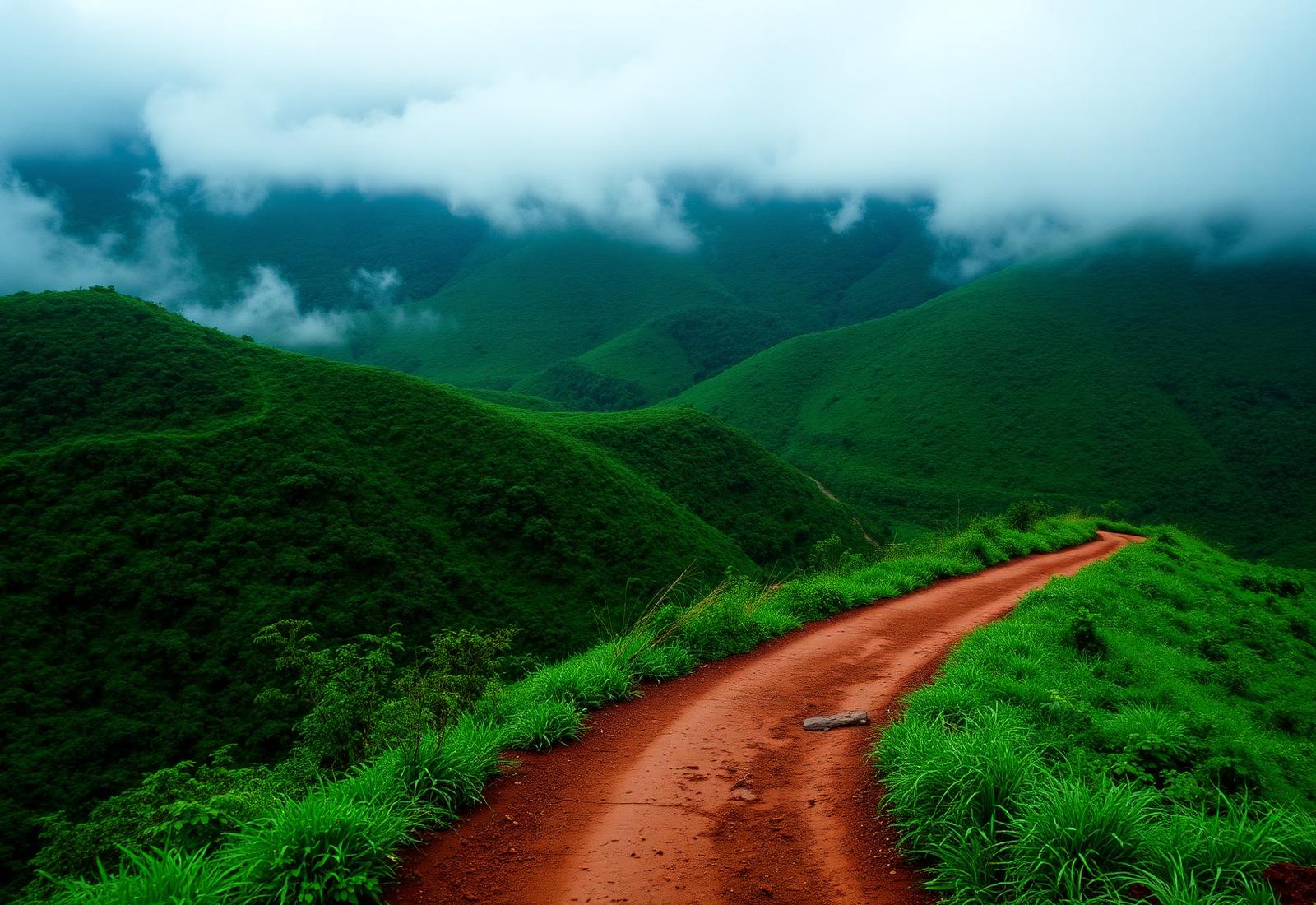
The first thing that changes is the weekend. Then the way you talk about time — in harvests rather than quarters. Then, quietly, the way the family arranges itself around a morning. Nobody plans for that part. It simply happens to people who keep coming back.
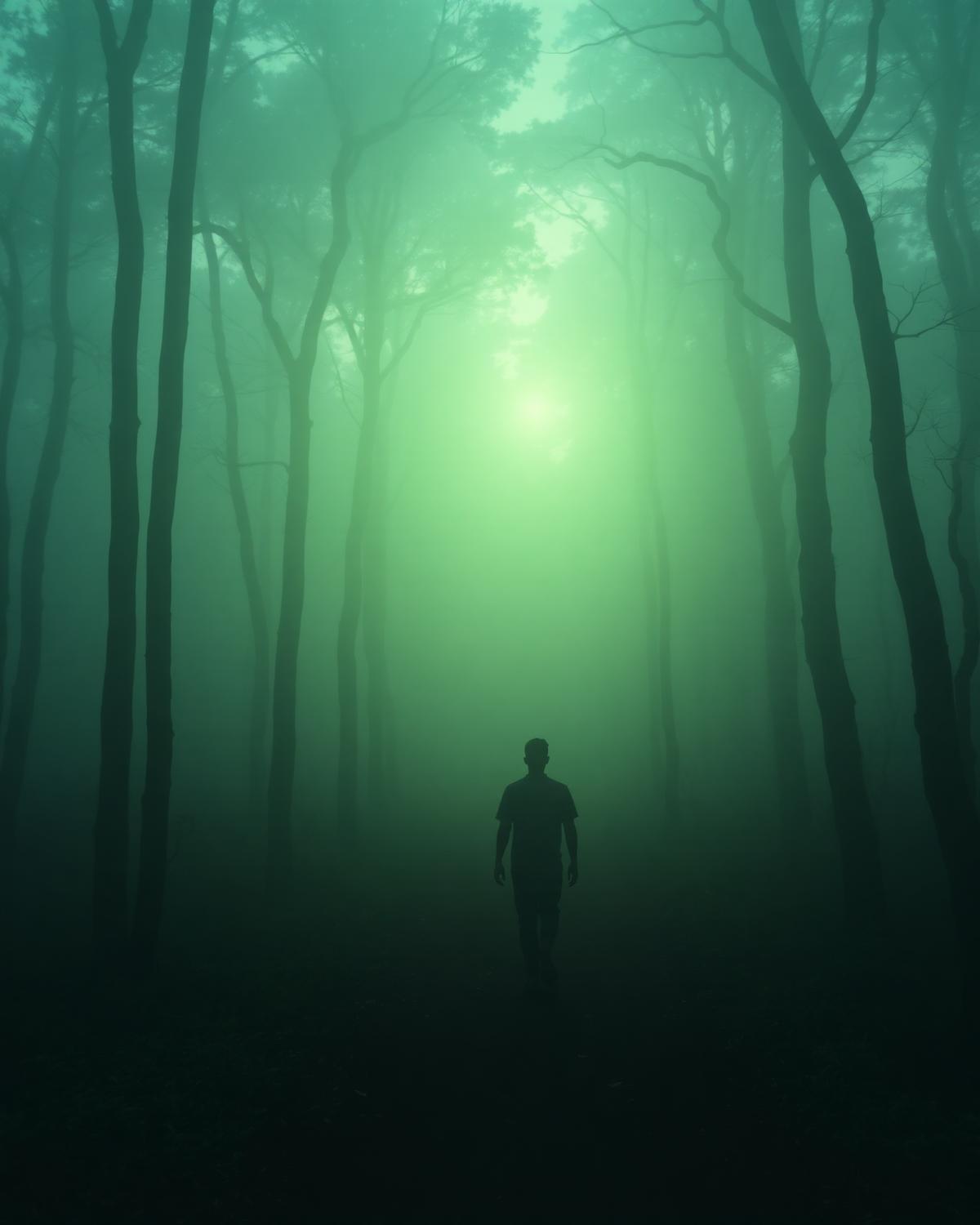

Walking paths, and what the rain leaves behind.
Two hours from the city, thirteen plots sit along a single road with Bhimashankar in the distance. There is nothing dramatic about the arrival. There rarely is, at the places that end up mattering.